MenuMinuteFOOD ENCYCLOPEDIA
Menu
Editorial preview. This example guide illustrates the Atlas design. It has not completed independent fact-checking and is not indexed for search.
FOOD COMPARISON / FLATBREADS

Naan vs Roti

Two familiar South Asian flatbreads can differ in dough, cooking technique and texture. Learn the typical distinctions and exceptions.

Naan: Often leavenedRoti: Typically unleavenedNaan cooking: Often tandoor or oven
NaanOften leavened
RotiTypically unleavened
Naan cookingOften tandoor or oven
Roti cookingOften tawa or griddle
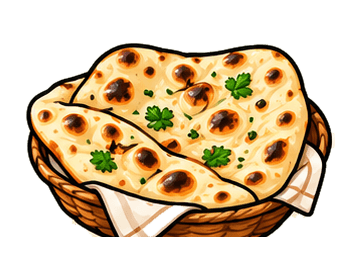
MenuMinute artwork showing naan flatbread
01 / THE OFTEN LEAVENED BREAD

Naan

Often made with leavening, cooked at high heat, and associated with tandoor cooking.

ROTI / TAWA FLATBREAD
02 / THE EVERYDAY FLATBREAD

Roti

Typically an unleavened flatbread, commonly cooked on a tawa or griddle.

01 / QUICK COMPARISON

What is the difference?

Naan and roti are both South Asian flatbreads, but their typical doughs, thickness, textures and cooking methods differ. There are many regional variations and restaurant adaptations.

02 / NAAN

A softer, often leavened bread

Naan is commonly made from wheat flour and may include leavening and other ingredients. It is often associated with cooking on the walls of a hot tandoor, though contemporary methods vary.

03 / ROTI

An everyday flatbread

Roti is commonly an unleavened wheat flatbread cooked on a flat griddle. Some regional types use other grains and cooking techniques.

Editorial demonstration only. Food preparation varies; no claim describes a specific restaurant serving.

MADE FOR RESTAURANTS TOO

Make your menu just as easy to understand.

Create free menu
Explore more food guides